
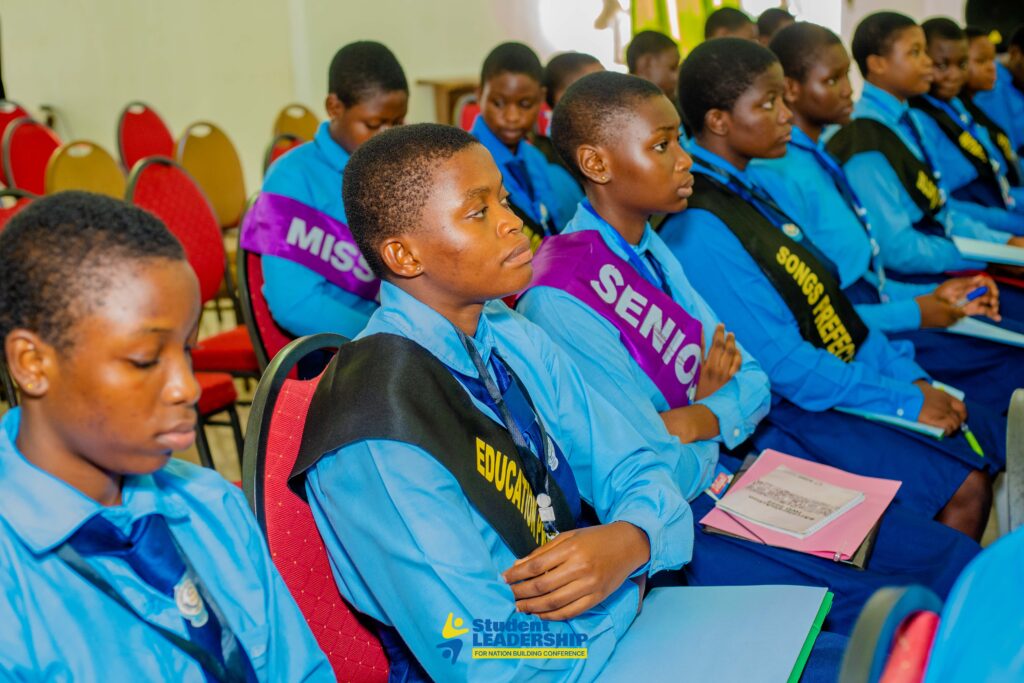
Part 1 of our 3-part series on transforming your school as a student leader
As student leaders, you hold tremendous power to shape your school’s culture and create lasting change. Whether you’re a prefect, student council member, or emerging leader in your educational community, your ability to bring people together can transform not just your immediate environment, but set the foundation for lifelong leadership skills.
At Lead from the Heart, we’ve worked with hundreds of student leaders across Cameroon, and one truth consistently emerges: the most impactful student leaders are those who master the art of collaboration. They understand that real change happens not through individual effort, but through collective action that honours everyone’s voice and contribution.
Understanding True Collaboration in Student Leadership
Collaboration goes far beyond simply working in groups or delegating tasks. In the context of student leadership, collaboration means creating an environment where every student feels valued, heard, and empowered to contribute to your school’s shared vision.
Think about the strongest communities you know—perhaps your family, your neighbourhood, or even traditional farming communities where resources are shared to ensure everyone thrives. The same principle applies to your school. When student leaders foster genuine collaboration, they create a culture where everyone feels they belong and have something meaningful to contribute.
True collaboration in schools manifests in several ways:
- Inclusive decision-making where student voices from all backgrounds and perspectives are actively sought and valued
- Shared ownership of school initiatives, where students don’t just participate but feel genuine investment in outcomes
- Cross-grade partnerships that break down traditional hierarchies and create mentorship opportunities
- Cultural bridge-building that celebrates diversity while finding common ground
The Unity Circle: A Practical Tool for Student Leaders
One of the most effective collaboration tools we’ve developed is the Unity Circle—a simple yet powerful method that any student leader can implement to foster genuine collaboration in their school community.
Here’s how it works:
Step 1: Create Safe Spaces Form small groups of 4-6 students from different grades, backgrounds, or social circles. The key is intentional diversity that might not happen naturally. As the facilitator, your role is to ensure everyone feels safe to share authentically.
Step 2: The Three-Minute Challenge Give each group exactly three minutes for a focused collaboration exercise:
- Minute 1: Each person shares one genuine idea for improving school life—this could be anything from starting a peer tutoring program to organizing cultural celebration days
- Minutes 2-3: The group works together to identify one small, actionable step they could take together to make one of these ideas reality
Step 3: Commitment to Action The magic happens when groups commit to actually taking that small step together. This transforms the exercise from theoretical discussion to practical collaboration.
Why This Works: The Unity Circle works because it combines structure with genuine relationship-building. Students discover that their peers have valuable insights they might never have accessed otherwise. More importantly, they experience the satisfaction of moving from idea to action together.
Implementing Collaboration in Different School Contexts
In Student Government
Transform routine student council meetings by starting each session with a mini–Unity Circle. Instead of the same voices dominating discussions, create space for different perspectives. When planning school events, form diverse planning committees that include students who wouldn’t normally work together.
In Academic Settings
Collaborate with teachers to create cross-grade study groups where older students mentor younger ones. Propose peer tutoring programs where students teach subjects they excel in while learning from others in different areas. This creates academic communities rather than competitive environments.
In Extracurricular Activities
Break down the barriers between different clubs and activities. Organize joint projects where the drama club partners with the environmental club, or the sports teams collaborate with academic societies. These unexpected partnerships often produce the most innovative and impactful results.
During Conflict Resolution
Use collaborative approaches when addressing school conflicts. Instead of top-down disciplinary measures, create peer mediation circles where students work together to understand different perspectives and develop solutions that address root causes.
Building Sustainable Collaborative Culture
Creating lasting change requires more than individual initiatives—it requires building systems that sustain collaboration even as student leaders graduate and new ones emerge.
Establish Collaboration Traditions: Create annual events that require cross-school collaboration, like inter-grade mentorship programs, school-wide project fairs, or collaborative service learning initiatives. These become part of your school’s culture rather than depending on specific individuals.
Document and Share Success Stories: Keep records of successful collaborative projects and share these stories with incoming student leaders. This creates institutional memory and inspiration for future initiatives.
Train Future Collaborators: Make collaboration skills part of your leadership development. Teach younger students the Unity Circle method and other collaborative tools so they can continue the work as they grow into leadership roles.
Partner with School Administration: Work with teachers and administrators to embed collaborative approaches into school policies and procedures. When collaboration becomes part of how your school operates, it outlasts any individual student leader’s tenure.
The Ripple Effect of Collaborative Leadership
When you master collaborative leadership in school, you’re developing skills that will serve you throughout your life. The student leader who learns to bring diverse voices together, navigate different perspectives, and create shared ownership becomes the community leader, the effective manager, the transformational change-maker.
More immediately, collaborative student leadership creates schools where:
- Students feel genuinely represented in decision-making
- Academic performance improves through peer support systems
- Social conflicts decrease as students learn to work through differences
- School spirit increases because everyone feels they belong
- Innovation flourishes as diverse perspectives combine
Your Next Steps as a Collaborative Leader
- Start Small: Identify one area where you can implement the Unity Circle approach this week—perhaps in planning an upcoming event or addressing a specific school challenge.
- Map Your Community: Take time to identify students in your school whose voices aren’t often heard in leadership contexts. How can you intentionally include them in collaborative processes?
- Measure Impact: Keep track of how collaborative approaches change outcomes. Do you get more creative solutions? Higher participation? Better follow-through on initiatives?
- Share Your Learning: Document what works and what doesn’t, then share these insights with other student leaders in your school and beyond.
Remember, collaboration isn’t about being popular or making everyone happy—it’s about harnessing collective wisdom and energy to create positive change that wouldn’t be possible through individual effort alone.
In our next article, we’ll explore how collaborative student leaders practice good governance—leading with transparency, accountability, and fairness that builds trust and creates lasting positive impact.
Ready to develop your collaborative leadership skills further? Lead from the Heart offers transformative leadership development programs for emerging African leaders. Contact us at info@leadfromtheheart.co.uk to learn more about our community leadership initiatives.

